Showing posts with label nutrition. Show all posts

Wednesday, August 17, 2011

3 Surprising Teeth Stainers


3 Surprising Teeth Stainers

Learn which liquids may damage your enamel, create protein build-up and more 

Photo: © Shutterstock

3 Surprising Teeth Stainers
When it comes to less-than-pearly whites, coffee’s not the only culprit. Watch out for these little-known teeth tainters, says Cynthia Sherwood, DDS, a spokeswoman for the Academy of General Dentistry:

White Wine
It’s actually more acidic than red—and acid breaks down tooth enamel, making it more likely to absorb color from food or drinks. That means if you drink white wine while enjoying, say, a plate of berries, your teeth are at risk. No need to nix the vino entirely; just alternate with sips of water to avoid unsightly marks.

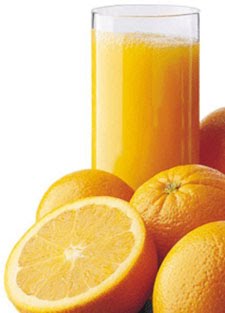
Orange Juice
Also acidic, it’s especially damaging when paired with a dark beverage (like coffee). Daily cups of OJ can also leave your mouth more prone to stains because the acid continues to break down enamel over time. Lower the acidity level a little (and save calories) by diluting your juice with water or seltzer.

Swimming
If you’re a competitive swimmer or swim for hours each week, you could end up with spots called “swimmer’s calculus.” The high pH of the chemicals in the pool water causes proteins to harden into a dark brown tartar. You’ll probably need to get your teeth professionally cleaned three or four times per year.
--As appeared in Woman's Day magazine. September 2011 issue.


Professional Dental Cleaning
Professional dental cleanings (dental prophylaxis) are usually performed by Registered Dental Hygienists. A cleaning appointment at Periodontal Associates in the Denver/Aurora, CO area will include a dental exam and the following:

  • Removal of calculus (tartar): Calculus is hardened plaque that has been left on the tooth for some time and is now firmly attached to the tooth surface.  Calculus forms above and below the gum line and can only be removed with special dental instruments.
  • Removal of plaque: Plaque is a sticky, almost invisible film that forms on the teeth.  It is a growing colony of living bacteria, food debris, and saliva.  The bacteria produce toxins (poisons) that inflame the gums.  This inflammation is the start of periodontal disease!
  • Teeth polishing: Remove stain and plaque that is not otherwise removed during tooth brushing and scaling.
 

To schedule a cleaning, or a dental exam by Dr. Versman and Dr. Heller, appointment at Periodontal Associates, visit our contact form online, call us at 303-755-4500 or email us. 

Periodontal Associates is a periodontal health practice in the Denver - Aurora, Colorado (CO) area with a focus on dental implants for the replacement of missing teeth, and the treatment of gingivitis and gum disease to restore patients' oral health.

Tuesday, November 16, 2010

New Study: Peanut Butter and the effects on Gum Disease

PB&GD? 
Polyunsaturated fats (like those found in peanut butter, salmon, nuts and margarine) have been shown to help prevent health problems like heart disease; Dr. Ken Versman and Dr. Doug Heller of Periodontal Associates Denver - Aurora, CO want you to know that new evidence shows that  those same foods can help stave off gum disease too!


In fact, a recent study found that people who consumed the most fatty acids had a 30% reduced risk of gum disease.


Here is more information about the study:

Periodontal (gum) Disease, a common inflammatory disease in which gum tissue separates from teeth, leads to accumulation of bacteria and potential bone and tooth loss. Although traditional treatments concentrate on the bacterial infection, more recent strategies target the inflammatory response. In an article in the November issue of the Journal of the American Dietetic Association, researchers from Harvard Medical School and Harvard School of Public Health found that dietary intake of polyunsaturated fatty acids (PUFAs) like fish oil, known to have anti-inflammatory properties, shows promise for the effective treatment and prevention of periodontitis.
"We found that n-3 fatty acid intake, particularly docosahexaenoic acid (DHA) and eicosapentaenoic acid (EPA), are inversely associated with periodontitis in the US population," commented Asghar Z. Naqvi, MPH, MNS, Department of Medicine, Beth Israel Deaconess Medical Center. "To date, the treatment of periodontitis has primarily involved mechanical cleaning and local antibiotic application. Thus, a dietary therapy, if effective, might be a less expensive and safer method for the prevention and treatment of periodontitis. Given the evidence indicating a role for n-3 fatty acids in other chronic inflammatory conditions, it is possible that treating periodontitis with n-3 fatty acids could have the added benefit of preventing other chronic diseases associated with inflammation, including stoke as well."
For more information about the study and findings click here or here.

To learn more about gum disease, please visit our website at www.periodontalhealth.com.
Drs. Versman and Heller of Periodontal Associates in Aurora, CO serving the Denver Metro and surrounding area with a focus on dental implants for the replacement of missing teeth, and the treatment of gingivitis and periodontal (gum) disease to restore patients' oral health. To schedule a free dental implant consultation, please call our office at (303)755-4500.

Thursday, August 19, 2010

Eat your fruits and veggies...for your gums?

We've talked about the benefits of including fruits and vegetables into your diet as healthy snacks before.  Eating fresh fruit, such as an apple, stimulates the gums, increases saliva flow and reduces the build-up of cavity-causing bacteria that harms your teeth.

But did you know that a lack of Vitamin C can promote Gingivitis? 
Yep, that's right, a diet deficient in Vitamin C can promote bleeding gums which can lead to gingivitis if left untreated. You can read more about it here.


Most of us think of citrus fruits, such as oranges and grapefruit, as being the best source of vitamin C. A serving of orange juice, 3/4 cup, provides you with 60 mg/day. Although citrus fruits are a great source of vitamin C, other not so obvious and sometimes surprising foods contain vitamin C as well. In addition to that morning glass of OJ, here are some ways to put vitamin C on your table:


  • Eat more broccoli. A 1/2-cup serving provides 45 mg of vitamin C.
  • Add a slice of tomato to your sandwiches. A small tomato provides 25 mg of vitamin C.
  • Slice up a papaya or mango for dessert. Half a medium papaya or mango provides 95 mg of vitamin C.
  • Think peppers! Red, yellow, and orange peppers have about twice the vitamin C of green peppers.
  • More obscure vegetables, like kohlrabi and jicama, provide about 45 mg of vitamin C per half cup. Just grate each into a green salad.
  • Believe it or not, potatoes contain vitamin C, too! A small baked potato has 25 mg.
  • Kiwi fruit, the fuzzy little brown fruit with the deep green interior, has about 55 mg of vitamin C. 
So remember to eat your fruits and veggies and you'll be doing your body, teeth AND gums a favor.

Thursday, July 8, 2010

The Best and Worst Foods for your Teeth

According to MSNBC.

The BEST foods for your teeth:
  1. Raw fruits and vegetables - An apple a day keeps the cavities at bay.
  2. Water, water, water!
  3. Low/non-fat dairy products. Yogurt is an especially good choice because it promotes healthy bacteria
  4. Sugarless gum - Helps promote saliva. Sugarless gum with Xylitol fights acid that creates cavities
The WORST foods for your teeth:
  1. Hard and sticky candies. No surprises here!
  2. Dried fruit - The water has been removed and you're left with a lot of sugar. Don't stop eating these, just remember to drink water or brush afterwards.
  3. Berries - Blueberries, strawberries, blackberries. Anything that will stain a t-shirt, will stain your teeth. Just remember to drink water after enjoying this healthy treat.
  4. High sugar drinks - Juices and smoothies.
  5. Sodas - Both regular and diet.